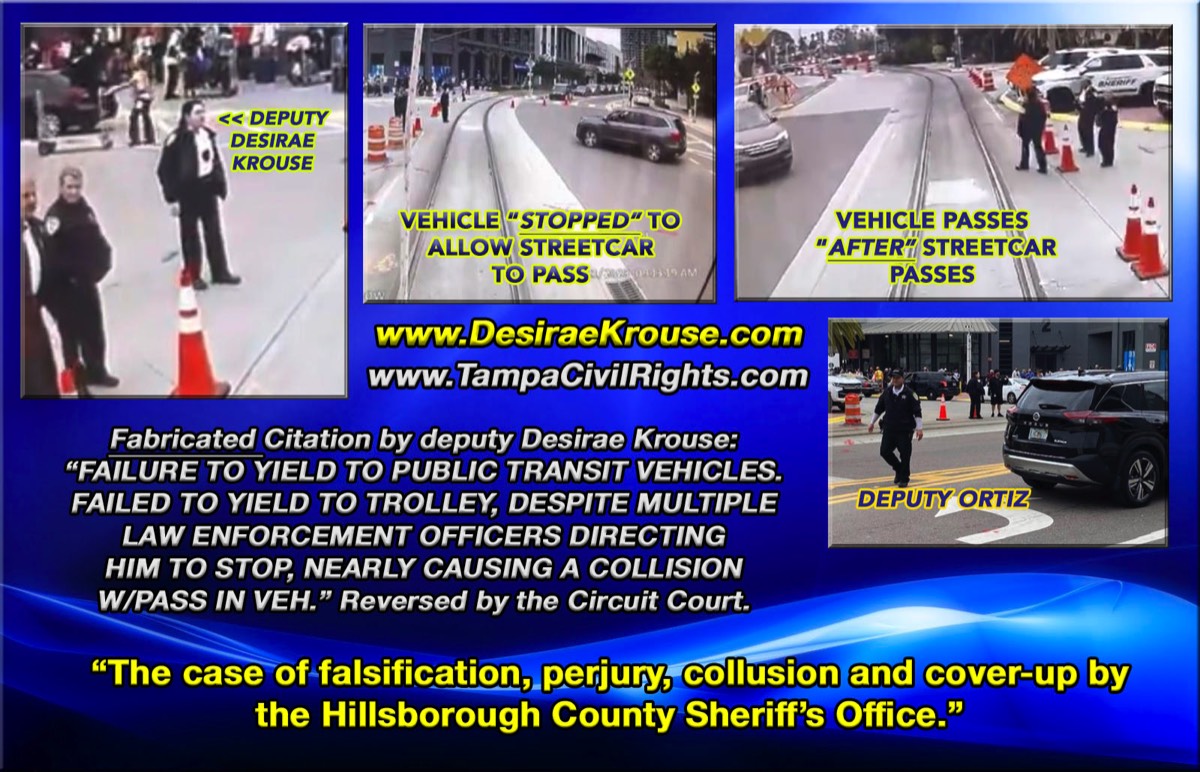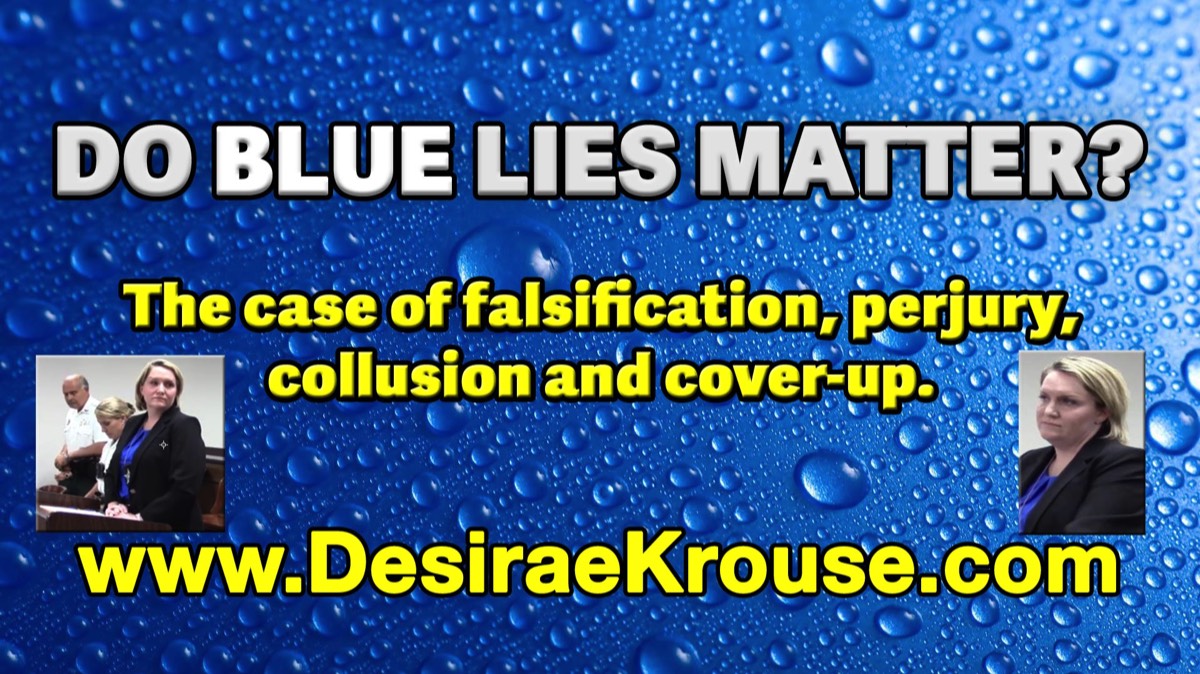
"When cops lie, don't tell the truth or willingly commit perjury, it is a very dangerous thing and causes innocent people to be wrongly convicted."
Police officers might lie or perjure themselves in a traffic ticket case to justify a stop, secure a conviction, or due to pressure from quotas, even if the underlying reason seems minor.
The practice, sometimes called "testilying," is often driven by a belief that the "greater good" justifies deceit, as well as a police code of silence that discourages reporting fellow officers' misconduct.
Code of silence: A culture where officers are reluctant to report the misconduct of their colleagues can enable perjury to go unaddressed.
Police officers might lie or perjure themselves in a traffic ticket case to justify a stop, secure a conviction, or due to pressure from quotas, even if the underlying reason seems minor.
The practice, sometimes called "testilying," is often driven by a belief that the "greater good" justifies deceit, as well as a police code of silence that discourages reporting fellow officers' misconduct.
Code of silence: A culture where officers are reluctant to report the misconduct of their colleagues can enable perjury to go unaddressed.
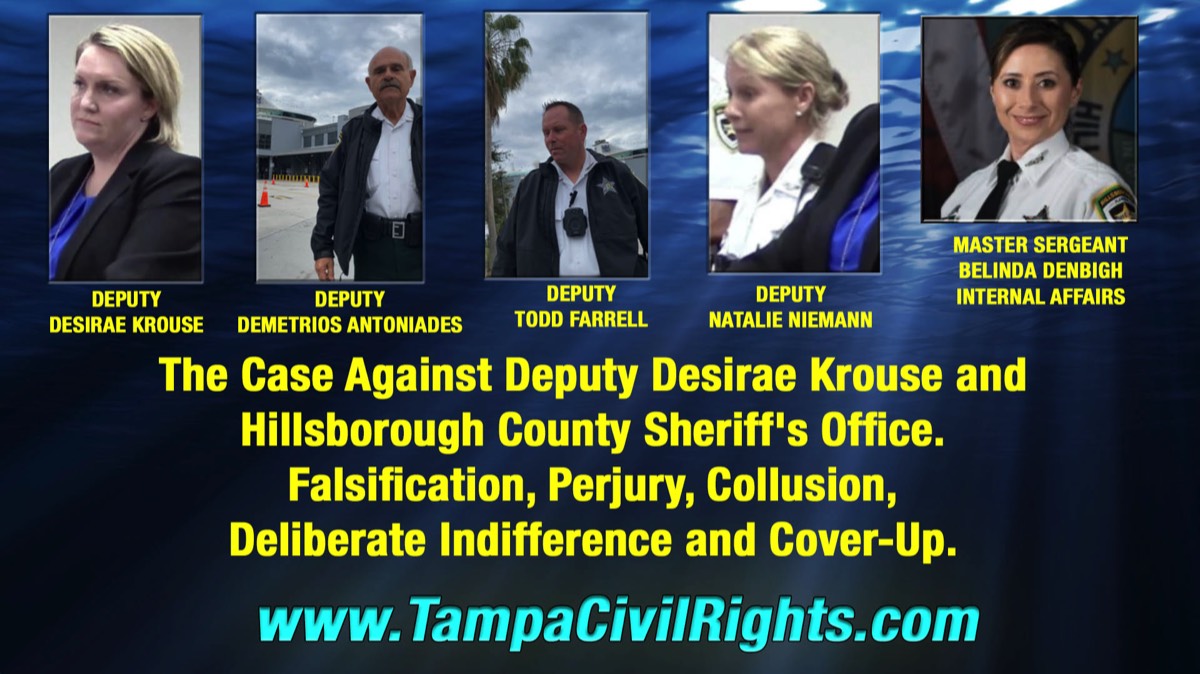
Potential consequences of police perjury
• Innocent people being convicted: Lying can lead to the conviction of innocent people.
• Unjust prosecution: Victims of unconstitutional acts may be unjustly prosecuted.
• Inaccurate evidence: Perjury can lead to longer sentences based on false information.
• Guilty individuals going free: Conversely, a prosecutor might drop charges if they know about the
• perjury, leading to a
• guilty person going free.
• Innocent people being convicted: Lying can lead to the conviction of innocent people.
• Unjust prosecution: Victims of unconstitutional acts may be unjustly prosecuted.
• Inaccurate evidence: Perjury can lead to longer sentences based on false information.
• Guilty individuals going free: Conversely, a prosecutor might drop charges if they know about the
• perjury, leading to a
• guilty person going free.
https://youtu.be/qNR3zwq4khw
A notable Florida case involving police officers lying to cover up misconduct is the 2025 Kissimmee Police Department scandal , where an officer was found to have influenced two other officers to lie about his use of excessive force. This incident led to the excessive-force officer's arrest, and the former police chief resigned after being found to have mishandled the situation.
A notable Florida case involving police officers lying to cover up misconduct is the 2025 Kissimmee Police Department scandal , where an officer was found to have influenced two other officers to lie about his use of excessive force. This incident led to the excessive-force officer's arrest, and the former police chief resigned after being found to have mishandled the situation.